
Established 2005 Registered Charity No. 1110656
Scottish Charity Register No. SC043760
DONATE
RECENT TWEETS
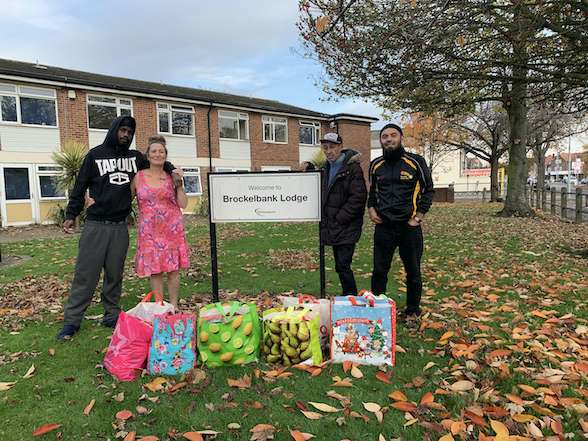 Emdad (far right) on outreach. © Emdad Rahman
A reflection on homelessness and how we progress its end.
By Emdad Rahman
As the new year dawns, many of us think in terms of fresh starts, renewed energy and goals that lift us forward. But for people experiencing homelessness, for rough sleepers on freezing streets and families trapped in temporary B&Bs, new beginnings aren’t a luxury: they are a necessity.
Current figures paint a stark picture: in England alone, at least 382,000 people are now homeless (according to Shelter), including more than 175,000 children: a rise of 8% in just one year. Many are in temporary accommodation without a roadmap to lasting stability.
On the streets, rough sleeping is one of the most visible and dangerous forms of homelessness and continues to rise: 2024 counts found around 4,667 people sleeping rough on a single night, a 20% increase on the prior year, with thousands more uncounted over a month.
These statistics should sober us, not paralyze us. Progress is twofold:
1. Progress in circumstances
We need homes – permanent, safe, affordable, accessible. The chronic shortage of social housing and council support is a root cause of rising homelessness. We must not settle for temporary fixes. A housing first approach, where permanent housing is the foundation for recovery, should be prioritised.
But progress can also be incremental improvements: offering emergency shelter when temperatures plummet; additional night shelters opening in boroughs; outreach workers building trust and connection on the streets.
These interventions save lives, even as we fight for deeper systemic change.
2. Progress in attitude
Language matters, and respectful, accurate language shifts perceptions. People experiencing homelessness are people first. Rough sleepers are not “a problem to be managed” but individuals with unique stories, challenges and dignity.
Progress means confronting discrimination, from invisible bias to policy exclusion that blames people for circumstances often caused by housing shortages, rising rents, frozen benefits and gaps in mental health services.
One of the most fragile threads in the homelessness equation is mental health. Trauma from loss of housing to years of stress on the streets deepens with isolation and lack of support. Without integrated, accessible mental health care, progress stalls.
Progress looks like outreach teams that listen, like community counsellors walking beside people on their journey, like housing that includes support, not just a key to a door.
This winter, across London and other cities, volunteer-led outreach has transformed cold nights into human connection.
Teams of volunteers and frontline charities walked the streets, bringing hot drinks, warm clothing, sanitary supplies and conversation.
Outreach workers helped connect people with health care, housing advice, emergency shelter options and mental health support.
This is progress you can feel. It is small in scale but vital in depth. Each partnership, each warm meal offered with eye contact and respect, builds trust.
Progress isn’t linear. There are clear tensions and setbacks:
Rising homelessness figures show deep structural failures. Rough sleeping continues to climb year after year. Temporary accommodation often becomes long-term limbo, especially for families and people with complex needs.
Solutions and actions to take on the challenge include: building and protecting affordable homes; expanding housing support services; funding outreach as essential public health work; reforming policy that marginalises vulnerable people and shifting the public narrative.
Progress is a mosaic made up of small meaningful efforts, deep systemic change, human warmth and honest attention to the painful truths. This winter’s outreach was not a cure but it was progress. Every person housed, every connection made, every story heard builds momentum.
Homelessness is a crisis of policy, dignity and community and it demands solutions that are structural and compassionate.
August – September 2026 : Here and now
CONTENTS
BACK ISSUES
- Issue 163 : August – September 2026 : Here and now
- Issue 162 : June – July 2026 : Labels
- Issue 161 : April – May 2026 : Working together
- Issue 160 : February – March 2026 : Progress
- Issue 159 : December 2025 – January 2026 : Resolutions
- Issue 158 : October – November 2025 : Making a difference
- Issue 157 : August – September 2025 : Caring about care
- Issue 156 : June – July 2025 : Resilience
- Issue 155 : April – May 2025 : Second Chances
- Issue 154 : February – March 2025 : Time
- Issue 153 : December 2024 – January 2025 : Solidarity
- Issue 152 : October – November 2024 : Change
- Issue 151 : August – September 2024 : Being Heard
- Issue 150 : June – July 2024 : Reflections
- Issue 149 : April – May 2024 : Compassion
- Issue 148 : February – March 2024 : The little things
- Issue 147 : December 2023 – January 2024 : Next steps
- Issue 146 : October 2023 – November 2023 : Kind acts
- Issue 145 : August 2023 – September 2023 : Mental health
- Issue 144 : June 2023 – July 2023 : Community
- Issue 143 : April 2023 - May 2023 : Hope springs
- Issue 142 : February 2023 - March 2023 : New Beginnings
- Issue 141 : December 2022 - January 2023 : Winter Homeless
- Issue 140 : October - November 2022 : Resolve
- Issue 139 : August - September 2022 : Creativity
- Issue 138 : June - July 2022 : Practical advice
- Issue 137 : April - May 2022 : Connection
- Issue 136 : February - March 2022 : RESPECT
- Issue 135 : Dec 2021 - Jan 2022 : OPPORTUNITY
- Issue 134 : September-October 2021 : Losses and gains
- Issue 133 : July-August 2021 : Know Your Rights
- Issue 132 : May-June 2021 : Access to Healthcare
- Issue 131 : Mar-Apr 2021 : SOLUTIONS
- Issue 130 : Jan-Feb 2021 : CHANGE
- Issue 129 : Nov-Dec 2020 : UNBELIEVABLE
- Issue 128 : Sep-Oct 2020 : COPING
- Issue 127 : Jul-Aug 2020 : HOPE
- Issue 126 : Health & Wellbeing in a Crisis
- Issue 125 : Mar-Apr 2020 : MOVING ON
- Issue 124 : Jan-Feb 2020 : STREET FOOD
- Issue 123 : Nov-Dec 2019 : HOSTELS
- Issue 122 : Sep 2019 : DEATH ON THE STREETS
- Issue 121 : July-Aug 2019 : INVISIBLE YOUTH
- Issue 120 : May-June 2019 : RECOVERY
- Issue 119 : Mar-Apr 2019 : WELLBEING
- Issue 118 : Jan-Feb 2019 : WORKING HOMELESS
- Issue 117 : Nov-Dec 2018 : HER STORY
- Issue 116 : Sept-Oct 2018 : TOILET TALK
- Issue 115 : July-Aug 2018 : HIDDEN HOMELESS
- Issue 114 : May-Jun 2018 : REBUILD YOUR LIFE
- Issue 113 : Mar–Apr 2018 : REMEMBRANCE
- Issue 112 : Jan-Feb 2018
- Issue 111 : Nov-Dec 2017
- Issue 110 : Sept-Oct 2017
- Issue 109 : July-Aug 2017
- Issue 108 : Apr-May 2017
- Issue 107 : Feb-Mar 2017
- Issue 106 : Dec 2016 - Jan 2017
- Issue 105 : Oct-Nov 2016
- Issue 104 : Aug-Sept 2016
- Issue 103 : May-June 2016
- Issue 102 : Mar-Apr 2016
- Issue 101 : Jan-Feb 2016
- Issue 100 : Nov-Dec 2015
- Issue 99 : Sept-Oct 2015
- Issue 98 : July-Aug 2015
- Issue 97 : May-Jun 2015
- Issue 96 : April 2015 [Mini Issue]
- Issue 95 : March 2015
- Issue 94 : February 2015
- Issue 93 : December 2014
- Issue 92 : November 2014
- Issue 91 : October 2014
- Issue 90 : September 2014
- Issue 89 : July 2014
- Issue 88 : June 2014
- Issue 87 : May 2014
- Issue 86 : April 2014
- Issue 85 : March 2014
- Issue 84 : February 2014
- Issue 83 : December 2013
- Issue 82 : November 2013
- Issue 81 : October 2013
- Issue 80 : September 2013
- Issue 79 : June 2013
- Issue 78 : 78
- Issue 77 : 77
- Issue 76 : 76
- Issue 75 : 75
- Issue 74 : 74
- Issue 73 : 73
- Issue 72 : 72
- Issue 71 : 71
- Issue 70 : 70
- Issue 69 : 69
- Issue 68 : 68
- Issue 67 : 67
- Issue 66 : 66
- Issue 65 : 65
- Issue 64 : 64
- Issue 63 : 63
- Issue 62 : 62
- Issue 61 : 61
- Issue 60 : 60
- Issue 59 : 59
- Issue 58 : 58
- Issue 57 : 57
- Issue 56 : 56
- Issue 56 : 56
- Issue 55 : 55
- Issue 54 : 54
- Issue 53 : 53
- Issue 52 : 52
- Issue 51 : 51
- Issue 50 : 50
- Issue 49 : 49
- Issue 48 : 48
- Issue 47 : 47
- Issue 46 : 46
- Issue 45 : 45
- Issue 44 : 44
- Issue 43 : 43
- Issue 42 : 42
- Issue 5 : 05
- Issue 4 : 04
- Issue 2 : 02
- Issue 1 : 01
- Issue 41 : 41
- Issue 40 : 40
- Issue 39 : 39
- Issue 38 : 38
- Issue 37 : 37
- Issue 36 : 36
- Issue 35 : 35
- Issue 34 : 34
- Issue 33 : 33
- Issue 10 : 10
- Issue 9 : 09
- Issue 6 : 06
- Issue 3 : 03
- Issue 32 : 32
- Issue 31 : 31
- Issue 30 : 30
- Issue 29 : 29
- Issue 11 : 11
- Issue 12 : 12
- Issue 13 : 13
- Issue 14 : 14
- Issue 15 : 15
- Issue 16 : 16
- Issue 17 : 17
- Issue 18 : 18
- Issue 19 : 19
- Issue 20 : 20
- Issue 21 : 21
- Issue 22 : 22
- Issue 23 : 23
- Issue 24 : 24
- Issue 25 : 25
- Issue 8 : 08
- Issue 7 : 07
- Issue 26 : 26
- Issue 27 : 27
- Issue 28 : 28
- Issue 1 : 01