
Established 2005 Registered Charity No. 1110656
Scottish Charity Register No. SC043760
DONATE
RECENT TWEETS
 © Natalie Peterson
Vulnerability, perseverance and the ability to welcome support are all forms of resilience – an especially important lesson for men in these times, writes Leon Eckford
As men, it’s often perceived as our given right to be strong, brave, impulsive and resilient. Our genetics seem to push us towards these frontiers as providers. Rewinding time to our ancestral roots, that was what was expected. Our women would be around the fire, tending to the children, cooking, cleaning and awaiting our return with a speared animal ready for spit roasting. At least, that’s what we’re told.
Fast forward to sitting at the dinner table with my grandparents. Although we had modern conveniences in the ‘90s, the roles seemed similar according to my youthful and somewhat naive perception. Marks and Spencer were usually the one’s spit roasting the animal whilst my grandmother snuck into the press to finish her Bacardi and Coke. Meanwhile my grandfather couldn’t wait to get back through to watch a newly installed cable TV set-up.
Today, are the gender specifics so oriented by evolutionary psychology? A fundamental question arises: are we naturally inclined to fall into the classic male and female roles? And where does societal imprinting affect these roles and a more progressive and tolerant viewpoint? It’s interesting to grab some popcorn and watch on social media as the ideologies clash.
Endurance is the cornerstone of our evolution. It’s the ability to adapt, to face adversity head-on and to emerge stronger. Think about the times you’ve faced personal challenges: whether it was losing a job, going through a breakup, or dealing with a health crisis. Each of these moments tested your strength and forced you to dig deep within yourself to find the courage to keep going.
In modern society, men are sometimes expected to be the pillars of strength, the ones who don’t show vulnerability. This expectation can be both empowering and burdensome. On one hand, it drives men to achieve great things, to push through challenges and to be dependable. On the other hand, it can lead to a suppression of emotions, creating a facade of invulnerability.
The pressure to conform to these societal expectations can have significant effects on male mental health. Men are less likely to seek help for mental health issues due to the stigma associated with appearing weak. This can lead to a buildup of stress, anxiety and depression. According to the World Health Organization, men are less likely to access mental health services compared to women, which can exacerbate these issues.
Fortitude, however, is not just about enduring hardship; it’s about growing through it. It’s about recognising when to seek help and understanding that vulnerability is not a weakness, but a strength. Think about a friend or family member who has faced significant adversity and come out stronger on the other side. Their journey is a testament to the power of fortitude.
Consider those who work in homelessness services, walking alongside trauma and the people who these organisations are supporting. Littered with adverse childhood experiences, sometimes the helper needs help, leaving those who are needing help still compromised.
These experiences, whilst unfortunate, can forge an incredible strength and empathy. Working with individuals facing homelessness requires a deep well of fortitude. It involves confronting harsh realities daily yet finding the strength to offer support and hope. Those who have endured trauma and challenging upbringings often develop a profound understanding of suffering, which can make them more compassionate and resilient.
You can’t have an easy life and a great character. It’s the trials and tribulations that forge our strength, much like the heat and pressure that create diamonds. The path we tread, with its ups and downs, shapes our character and fortitude. It’s not the journey or the destination, it’s who you become between these two points. In these moments of struggle we discover our true strength and capacity for growth.
In conclusion, while societal expectations on men can be challenging, they also provide opportunities for growth and fortitude. By embracing vulnerability and seeking support, men can build stronger mental health and lead more fulfilling lives. Resilience is not just about enduring, it’s about thriving in the face of adversity.
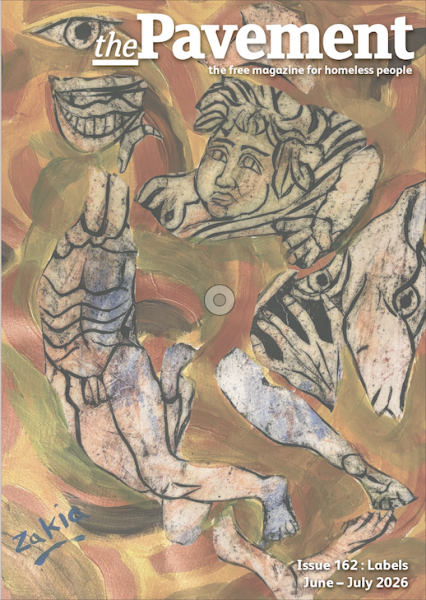
June – July 2026 : Labels
CONTENTS
BACK ISSUES
- Issue 162 : June – July 2026 : Labels
- Issue 161 : April – May 2026 : Working together
- Issue 160 : February – March 2026 : Progress
- Issue 159 : December 2025 – January 2026 : Resolutions
- Issue 158 : October – November 2025 : Making a difference
- Issue 157 : August – September 2025 : Caring about care
- Issue 156 : June – July 2025 : Resilience
- Issue 155 : April – May 2025 : Second Chances
- Issue 154 : February – March 2025 : Time
- Issue 153 : December 2024 – January 2025 : Solidarity
- Issue 152 : October – November 2024 : Change
- Issue 151 : August – September 2024 : Being Heard
- Issue 150 : June – July 2024 : Reflections
- Issue 149 : April – May 2024 : Compassion
- Issue 148 : February – March 2024 : The little things
- Issue 147 : December 2023 – January 2024 : Next steps
- Issue 146 : October 2023 – November 2023 : Kind acts
- Issue 145 : August 2023 – September 2023 : Mental health
- Issue 144 : June 2023 – July 2023 : Community
- Issue 143 : April 2023 - May 2023 : Hope springs
- Issue 142 : February 2023 - March 2023 : New Beginnings
- Issue 141 : December 2022 - January 2023 : Winter Homeless
- Issue 140 : October - November 2022 : Resolve
- Issue 139 : August - September 2022 : Creativity
- Issue 138 : June - July 2022 : Practical advice
- Issue 137 : April - May 2022 : Connection
- Issue 136 : February - March 2022 : RESPECT
- Issue 135 : Dec 2021 - Jan 2022 : OPPORTUNITY
- Issue 134 : September-October 2021 : Losses and gains
- Issue 133 : July-August 2021 : Know Your Rights
- Issue 132 : May-June 2021 : Access to Healthcare
- Issue 131 : Mar-Apr 2021 : SOLUTIONS
- Issue 130 : Jan-Feb 2021 : CHANGE
- Issue 129 : Nov-Dec 2020 : UNBELIEVABLE
- Issue 128 : Sep-Oct 2020 : COPING
- Issue 127 : Jul-Aug 2020 : HOPE
- Issue 126 : Health & Wellbeing in a Crisis
- Issue 125 : Mar-Apr 2020 : MOVING ON
- Issue 124 : Jan-Feb 2020 : STREET FOOD
- Issue 123 : Nov-Dec 2019 : HOSTELS
- Issue 122 : Sep 2019 : DEATH ON THE STREETS
- Issue 121 : July-Aug 2019 : INVISIBLE YOUTH
- Issue 120 : May-June 2019 : RECOVERY
- Issue 119 : Mar-Apr 2019 : WELLBEING
- Issue 118 : Jan-Feb 2019 : WORKING HOMELESS
- Issue 117 : Nov-Dec 2018 : HER STORY
- Issue 116 : Sept-Oct 2018 : TOILET TALK
- Issue 115 : July-Aug 2018 : HIDDEN HOMELESS
- Issue 114 : May-Jun 2018 : REBUILD YOUR LIFE
- Issue 113 : Mar–Apr 2018 : REMEMBRANCE
- Issue 112 : Jan-Feb 2018
- Issue 111 : Nov-Dec 2017
- Issue 110 : Sept-Oct 2017
- Issue 109 : July-Aug 2017
- Issue 108 : Apr-May 2017
- Issue 107 : Feb-Mar 2017
- Issue 106 : Dec 2016 - Jan 2017
- Issue 105 : Oct-Nov 2016
- Issue 104 : Aug-Sept 2016
- Issue 103 : May-June 2016
- Issue 102 : Mar-Apr 2016
- Issue 101 : Jan-Feb 2016
- Issue 100 : Nov-Dec 2015
- Issue 99 : Sept-Oct 2015
- Issue 98 : July-Aug 2015
- Issue 97 : May-Jun 2015
- Issue 96 : April 2015 [Mini Issue]
- Issue 95 : March 2015
- Issue 94 : February 2015
- Issue 93 : December 2014
- Issue 92 : November 2014
- Issue 91 : October 2014
- Issue 90 : September 2014
- Issue 89 : July 2014
- Issue 88 : June 2014
- Issue 87 : May 2014
- Issue 86 : April 2014
- Issue 85 : March 2014
- Issue 84 : February 2014
- Issue 83 : December 2013
- Issue 82 : November 2013
- Issue 81 : October 2013
- Issue 80 : September 2013
- Issue 79 : June 2013
- Issue 78 : 78
- Issue 77 : 77
- Issue 76 : 76
- Issue 75 : 75
- Issue 74 : 74
- Issue 73 : 73
- Issue 72 : 72
- Issue 71 : 71
- Issue 70 : 70
- Issue 69 : 69
- Issue 68 : 68
- Issue 67 : 67
- Issue 66 : 66
- Issue 65 : 65
- Issue 64 : 64
- Issue 63 : 63
- Issue 62 : 62
- Issue 61 : 61
- Issue 60 : 60
- Issue 59 : 59
- Issue 58 : 58
- Issue 57 : 57
- Issue 56 : 56
- Issue 56 : 56
- Issue 55 : 55
- Issue 54 : 54
- Issue 53 : 53
- Issue 52 : 52
- Issue 51 : 51
- Issue 50 : 50
- Issue 49 : 49
- Issue 48 : 48
- Issue 47 : 47
- Issue 46 : 46
- Issue 45 : 45
- Issue 44 : 44
- Issue 43 : 43
- Issue 42 : 42
- Issue 5 : 05
- Issue 4 : 04
- Issue 2 : 02
- Issue 1 : 01
- Issue 41 : 41
- Issue 40 : 40
- Issue 39 : 39
- Issue 38 : 38
- Issue 37 : 37
- Issue 36 : 36
- Issue 35 : 35
- Issue 34 : 34
- Issue 33 : 33
- Issue 10 : 10
- Issue 9 : 09
- Issue 6 : 06
- Issue 3 : 03
- Issue 32 : 32
- Issue 31 : 31
- Issue 30 : 30
- Issue 29 : 29
- Issue 11 : 11
- Issue 12 : 12
- Issue 13 : 13
- Issue 14 : 14
- Issue 15 : 15
- Issue 16 : 16
- Issue 17 : 17
- Issue 18 : 18
- Issue 19 : 19
- Issue 20 : 20
- Issue 21 : 21
- Issue 22 : 22
- Issue 23 : 23
- Issue 24 : 24
- Issue 25 : 25
- Issue 8 : 08
- Issue 7 : 07
- Issue 26 : 26
- Issue 27 : 27
- Issue 28 : 28
- Issue 1 : 01