
Established 2005 Registered Charity No. 1110656
Scottish Charity Register No. SC043760
DONATE
RECENT TWEETS
Report on the increasing isolation and loneliness felt by young people in the UK. By Meera Mohanraj
In March 2020 the Covid-19 pandemic forced much of the UK’s population into isolation. Now, five years later, there is an enduring epidemic increasingly plaguing the generation who came of age during this period. The issue of loneliness continues to affect people from various demographics to differing degrees, but the indicators of this problem can be traced to long before the pandemic.
Sociologist Ray Oldenburg popularised the concept of the ‘third space’ as somewhere to socialise outside of the domains of the home and workplace. One such place proven to be a fruitful environment for fostering community are youth clubs. Characterised as a free locale for young people to meet, engage in activities and safely spend time together outside of school, these precious pillars of working class social life are necessary for keeping adolescents securely occupied. Naturally, the Covid-19 outbreak temporarily eradicated the ‘third space’ for most, although such community hubs took a more irrevocable hit: as the Local Government Association observes, 17% of youth clubs in England and Wales closed as a direct result of the pandemic.
However, these closures didn’t represent a sharp turn away from the norm, as the Institute for Fiscal Studies (IFS) records that around 30% of youth clubs in London had to be shut down between 2010 and 2019 because of cuts to local authority funding.
Young people are also increasingly vulnerable to experiencing homelessness. According to Centrepoint, 118,134 young people were homeless or at risk of homelessness in the UK last year. The youth charity Action for Children further notes that young people experiencing homelessness are often “left without the support young people need to guide and mentor them through life. Instead, they’re forced to become an ‘adult’, alone, overnight.”
With a decrease in third spaces for young people and the prolonged period of social isolation caused by Covid-19, it is no surprise that there has been a subsequent increase in loneliness. According to the UK government’s Tackling Loneliness strategy review, reports of loneliness are higher for people aged 16-24. Youth clubs specifically target these groups to create a shared togetherness, particularly in areas where the social climate can be conducive to dangerous or incriminating activity. Whether coming from a broken home or a family struggling to make ends meet, the third space created by government-funded initiatives is a source of comforting leisure for much of the UK’s youth. In 2018, The Office for National Statistics found that “children in relative poverty had almost twice the odds of reporting feeling lonely”, yet it is these children whose spaces for interacting with one another in person are being erased.
This collaborative effort has brought together local budding creatives and given their work a platform. Ministry of Stories nurtures these underrepresented artistic voices and encourages their writers to indulge in their eccentric ideas and unlock fantastical worlds. Exploring the artist within themselves can function as an escape for the children, but above all, the supportive atmosphere is a place they feel seen and appreciated for their individuality.
With youth clubs being underfunded, the work of charities engaging with young people is even more imperative. I volunteer with Ministry of Stories, an organisation which specifically helps children within a 500m radius of their base in Hoxton. Its current project, DreamState, will illuminate eight rooms at The Ditch in Shoreditch Town Hall with the work of over 100 young people between the ages of six and 16 to create an interactive experience for families.
Whilst not directly concerned with the ongoing loneliness crisis, charities and non-profit organisations like Ministry of Stories provide children with a sanctuary of unadulterated fun for no expense. In my experience, keeping young people safely stimulated and pushing them to develop their interests can give them a spirited sense of purpose that flourishes outside of the workshops. Making them aware of the power in their art sparks inspiration which can hopefully continue into adulthood, for they are never lonely in the company of their imagination.
Young and homeless?
There are numerous charities and organisations dedicated to supporting young people experiencing homelessness.
These include:
- Centrepoint is the largest youth homelessness charity operating in the UK: centrepoint.org.uk
- Depaul UK operates UK-wide, supporting young people at risk of or currently experiencing homelessness: depaul.org.uk
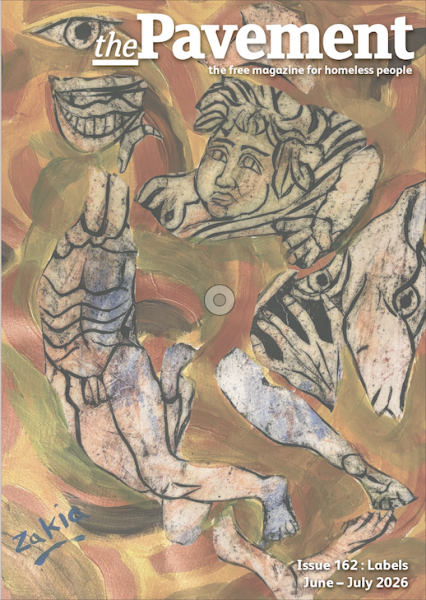
June – July 2026 : Labels
CONTENTS
BACK ISSUES
- Issue 162 : June – July 2026 : Labels
- Issue 161 : April – May 2026 : Working together
- Issue 160 : February – March 2026 : Progress
- Issue 159 : December 2025 – January 2026 : Resolutions
- Issue 158 : October – November 2025 : Making a difference
- Issue 157 : August – September 2025 : Caring about care
- Issue 156 : June – July 2025 : Resilience
- Issue 155 : April – May 2025 : Second Chances
- Issue 154 : February – March 2025 : Time
- Issue 153 : December 2024 – January 2025 : Solidarity
- Issue 152 : October – November 2024 : Change
- Issue 151 : August – September 2024 : Being Heard
- Issue 150 : June – July 2024 : Reflections
- Issue 149 : April – May 2024 : Compassion
- Issue 148 : February – March 2024 : The little things
- Issue 147 : December 2023 – January 2024 : Next steps
- Issue 146 : October 2023 – November 2023 : Kind acts
- Issue 145 : August 2023 – September 2023 : Mental health
- Issue 144 : June 2023 – July 2023 : Community
- Issue 143 : April 2023 - May 2023 : Hope springs
- Issue 142 : February 2023 - March 2023 : New Beginnings
- Issue 141 : December 2022 - January 2023 : Winter Homeless
- Issue 140 : October - November 2022 : Resolve
- Issue 139 : August - September 2022 : Creativity
- Issue 138 : June - July 2022 : Practical advice
- Issue 137 : April - May 2022 : Connection
- Issue 136 : February - March 2022 : RESPECT
- Issue 135 : Dec 2021 - Jan 2022 : OPPORTUNITY
- Issue 134 : September-October 2021 : Losses and gains
- Issue 133 : July-August 2021 : Know Your Rights
- Issue 132 : May-June 2021 : Access to Healthcare
- Issue 131 : Mar-Apr 2021 : SOLUTIONS
- Issue 130 : Jan-Feb 2021 : CHANGE
- Issue 129 : Nov-Dec 2020 : UNBELIEVABLE
- Issue 128 : Sep-Oct 2020 : COPING
- Issue 127 : Jul-Aug 2020 : HOPE
- Issue 126 : Health & Wellbeing in a Crisis
- Issue 125 : Mar-Apr 2020 : MOVING ON
- Issue 124 : Jan-Feb 2020 : STREET FOOD
- Issue 123 : Nov-Dec 2019 : HOSTELS
- Issue 122 : Sep 2019 : DEATH ON THE STREETS
- Issue 121 : July-Aug 2019 : INVISIBLE YOUTH
- Issue 120 : May-June 2019 : RECOVERY
- Issue 119 : Mar-Apr 2019 : WELLBEING
- Issue 118 : Jan-Feb 2019 : WORKING HOMELESS
- Issue 117 : Nov-Dec 2018 : HER STORY
- Issue 116 : Sept-Oct 2018 : TOILET TALK
- Issue 115 : July-Aug 2018 : HIDDEN HOMELESS
- Issue 114 : May-Jun 2018 : REBUILD YOUR LIFE
- Issue 113 : Mar–Apr 2018 : REMEMBRANCE
- Issue 112 : Jan-Feb 2018
- Issue 111 : Nov-Dec 2017
- Issue 110 : Sept-Oct 2017
- Issue 109 : July-Aug 2017
- Issue 108 : Apr-May 2017
- Issue 107 : Feb-Mar 2017
- Issue 106 : Dec 2016 - Jan 2017
- Issue 105 : Oct-Nov 2016
- Issue 104 : Aug-Sept 2016
- Issue 103 : May-June 2016
- Issue 102 : Mar-Apr 2016
- Issue 101 : Jan-Feb 2016
- Issue 100 : Nov-Dec 2015
- Issue 99 : Sept-Oct 2015
- Issue 98 : July-Aug 2015
- Issue 97 : May-Jun 2015
- Issue 96 : April 2015 [Mini Issue]
- Issue 95 : March 2015
- Issue 94 : February 2015
- Issue 93 : December 2014
- Issue 92 : November 2014
- Issue 91 : October 2014
- Issue 90 : September 2014
- Issue 89 : July 2014
- Issue 88 : June 2014
- Issue 87 : May 2014
- Issue 86 : April 2014
- Issue 85 : March 2014
- Issue 84 : February 2014
- Issue 83 : December 2013
- Issue 82 : November 2013
- Issue 81 : October 2013
- Issue 80 : September 2013
- Issue 79 : June 2013
- Issue 78 : 78
- Issue 77 : 77
- Issue 76 : 76
- Issue 75 : 75
- Issue 74 : 74
- Issue 73 : 73
- Issue 72 : 72
- Issue 71 : 71
- Issue 70 : 70
- Issue 69 : 69
- Issue 68 : 68
- Issue 67 : 67
- Issue 66 : 66
- Issue 65 : 65
- Issue 64 : 64
- Issue 63 : 63
- Issue 62 : 62
- Issue 61 : 61
- Issue 60 : 60
- Issue 59 : 59
- Issue 58 : 58
- Issue 57 : 57
- Issue 56 : 56
- Issue 56 : 56
- Issue 55 : 55
- Issue 54 : 54
- Issue 53 : 53
- Issue 52 : 52
- Issue 51 : 51
- Issue 50 : 50
- Issue 49 : 49
- Issue 48 : 48
- Issue 47 : 47
- Issue 46 : 46
- Issue 45 : 45
- Issue 44 : 44
- Issue 43 : 43
- Issue 42 : 42
- Issue 5 : 05
- Issue 4 : 04
- Issue 2 : 02
- Issue 1 : 01
- Issue 41 : 41
- Issue 40 : 40
- Issue 39 : 39
- Issue 38 : 38
- Issue 37 : 37
- Issue 36 : 36
- Issue 35 : 35
- Issue 34 : 34
- Issue 33 : 33
- Issue 10 : 10
- Issue 9 : 09
- Issue 6 : 06
- Issue 3 : 03
- Issue 32 : 32
- Issue 31 : 31
- Issue 30 : 30
- Issue 29 : 29
- Issue 11 : 11
- Issue 12 : 12
- Issue 13 : 13
- Issue 14 : 14
- Issue 15 : 15
- Issue 16 : 16
- Issue 17 : 17
- Issue 18 : 18
- Issue 19 : 19
- Issue 20 : 20
- Issue 21 : 21
- Issue 22 : 22
- Issue 23 : 23
- Issue 24 : 24
- Issue 25 : 25
- Issue 8 : 08
- Issue 7 : 07
- Issue 26 : 26
- Issue 27 : 27
- Issue 28 : 28
- Issue 1 : 01