
Established 2005 Registered Charity No. 1110656
Scottish Charity Register No. SC043760
DONATE
RECENT TWEETS
Traitors star Ash Bibi talks about her experience staying at a women’s refuge earlier in her life, the lessons she learned and her efforts to help vulnerable women today. Interview by Sophie Dianne
Ash Bibi is best known for donning a cape in the second season of the BBC’s The Traitors. But she’s now opening up about her childhood marked by violence and abuse. By recounting her traumatic experiences and eventual escape, she hopes to shine the light on critical issues surrounding domestic abuse that many women face today. I met with Ash and she shared her story of resilience.
Talk me through your childhood, what was going on?
I’m the eldest of five kids. If you take into consideration the culture and the time, being the oldest and a girl played a big role in how my life was going to be. There was always violence. I do remember thinking, at as young as four or five, “I shouldn’t be here”. There was a mixture of stuff, including the violence and a lot of repression. I do remember back in those days, the 90s, there was a bit of an epidemic. There were loads of young Asian girls running away. I was even assigned a police officer when I did. I think I had a kind of resilience, I guess. There was this innate survival mode in me, that I was like “no, I can’t be here, this can’t be my life.” I felt like I was constantly scared. I was scared that my dad would just ship me off to Pakistan. You hear those stories. And I knew, even though I was a child, I needed to leave. Otherwise, how am I going to survive? How am I going to get out?
So you reached a breaking point?
Yes, and my determination was “I’m going to have a life and I’m going to create a life for myself.” A life I want to live, my way.
What can you tell us about your time at the refuge?
I don’t remember exactly how long I was in the refuge, but I do remember there was nobody of my ethnicity. In fact, in the refuge there was only one other girl close to my age. I think she was 19 and she was from Bradford. She was running away from her pimp. She thought people would judge her because she’d been a prostitute and I remember thinking nobody should judge her. I thought to myself “she’s nice,” and decided that I wanted to be her friend.
Are you still in contact with any of your siblings?
I am now. When I first left home the school and the authorities helped me into the refuge and I tried to keep in contact. But I remember my Dad giving me an ultimatum: “you either come back home for good, or we don’t want to know you.” And I was just like, well, if that’s the way that you want it. Then I didn’t see my family for 14 years. I think the hardest thing for me was leaving my little sister, she was the youngest. She was five years old when I left. I think for a few years I really battled emotionally with that. I could have easily gone down a different path. When that kind of emotion and that kind of guilt build up, you want to turn to alcohol and drugs and that kind of stuff. But I also knew I wasn’t in the position to be able to look after her. It was hard.”
What advice would you give your younger self?
I think it would be practical stuff, like I wish I had finished school. I would also tell my younger self you don’t need anybody else’s love. You just need to love yourself. I think we take self-love for granted.
Finally, what made you decide that now was the right time to share your story?
This is something I’ve been thinking about. I mentioned it to a friend, like 20 years ago. The reason why it came about now is because last year marked the 30th anniversary of me leaving home. And it was last year that two or three of my close friends, including my sister, said I should use my platform to help other women and girls. And I was like, yes! Especially as, right now, it’s a good time to talk about these types of things, because there’s increasing attention around violence against women and girls. I’m not working on anything yet but would like to help with charity projects. If I can do something to help even one girl, then that’s a really good thing.
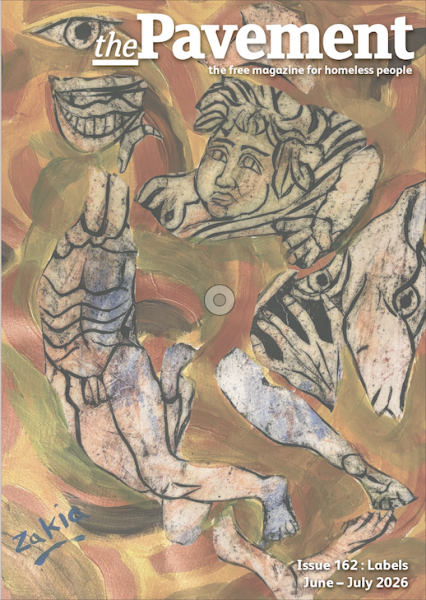
June – July 2026 : Labels
CONTENTS
BACK ISSUES
- Issue 162 : June – July 2026 : Labels
- Issue 161 : April – May 2026 : Working together
- Issue 160 : February – March 2026 : Progress
- Issue 159 : December 2025 – January 2026 : Resolutions
- Issue 158 : October – November 2025 : Making a difference
- Issue 157 : August – September 2025 : Caring about care
- Issue 156 : June – July 2025 : Resilience
- Issue 155 : April – May 2025 : Second Chances
- Issue 154 : February – March 2025 : Time
- Issue 153 : December 2024 – January 2025 : Solidarity
- Issue 152 : October – November 2024 : Change
- Issue 151 : August – September 2024 : Being Heard
- Issue 150 : June – July 2024 : Reflections
- Issue 149 : April – May 2024 : Compassion
- Issue 148 : February – March 2024 : The little things
- Issue 147 : December 2023 – January 2024 : Next steps
- Issue 146 : October 2023 – November 2023 : Kind acts
- Issue 145 : August 2023 – September 2023 : Mental health
- Issue 144 : June 2023 – July 2023 : Community
- Issue 143 : April 2023 - May 2023 : Hope springs
- Issue 142 : February 2023 - March 2023 : New Beginnings
- Issue 141 : December 2022 - January 2023 : Winter Homeless
- Issue 140 : October - November 2022 : Resolve
- Issue 139 : August - September 2022 : Creativity
- Issue 138 : June - July 2022 : Practical advice
- Issue 137 : April - May 2022 : Connection
- Issue 136 : February - March 2022 : RESPECT
- Issue 135 : Dec 2021 - Jan 2022 : OPPORTUNITY
- Issue 134 : September-October 2021 : Losses and gains
- Issue 133 : July-August 2021 : Know Your Rights
- Issue 132 : May-June 2021 : Access to Healthcare
- Issue 131 : Mar-Apr 2021 : SOLUTIONS
- Issue 130 : Jan-Feb 2021 : CHANGE
- Issue 129 : Nov-Dec 2020 : UNBELIEVABLE
- Issue 128 : Sep-Oct 2020 : COPING
- Issue 127 : Jul-Aug 2020 : HOPE
- Issue 126 : Health & Wellbeing in a Crisis
- Issue 125 : Mar-Apr 2020 : MOVING ON
- Issue 124 : Jan-Feb 2020 : STREET FOOD
- Issue 123 : Nov-Dec 2019 : HOSTELS
- Issue 122 : Sep 2019 : DEATH ON THE STREETS
- Issue 121 : July-Aug 2019 : INVISIBLE YOUTH
- Issue 120 : May-June 2019 : RECOVERY
- Issue 119 : Mar-Apr 2019 : WELLBEING
- Issue 118 : Jan-Feb 2019 : WORKING HOMELESS
- Issue 117 : Nov-Dec 2018 : HER STORY
- Issue 116 : Sept-Oct 2018 : TOILET TALK
- Issue 115 : July-Aug 2018 : HIDDEN HOMELESS
- Issue 114 : May-Jun 2018 : REBUILD YOUR LIFE
- Issue 113 : Mar–Apr 2018 : REMEMBRANCE
- Issue 112 : Jan-Feb 2018
- Issue 111 : Nov-Dec 2017
- Issue 110 : Sept-Oct 2017
- Issue 109 : July-Aug 2017
- Issue 108 : Apr-May 2017
- Issue 107 : Feb-Mar 2017
- Issue 106 : Dec 2016 - Jan 2017
- Issue 105 : Oct-Nov 2016
- Issue 104 : Aug-Sept 2016
- Issue 103 : May-June 2016
- Issue 102 : Mar-Apr 2016
- Issue 101 : Jan-Feb 2016
- Issue 100 : Nov-Dec 2015
- Issue 99 : Sept-Oct 2015
- Issue 98 : July-Aug 2015
- Issue 97 : May-Jun 2015
- Issue 96 : April 2015 [Mini Issue]
- Issue 95 : March 2015
- Issue 94 : February 2015
- Issue 93 : December 2014
- Issue 92 : November 2014
- Issue 91 : October 2014
- Issue 90 : September 2014
- Issue 89 : July 2014
- Issue 88 : June 2014
- Issue 87 : May 2014
- Issue 86 : April 2014
- Issue 85 : March 2014
- Issue 84 : February 2014
- Issue 83 : December 2013
- Issue 82 : November 2013
- Issue 81 : October 2013
- Issue 80 : September 2013
- Issue 79 : June 2013
- Issue 78 : 78
- Issue 77 : 77
- Issue 76 : 76
- Issue 75 : 75
- Issue 74 : 74
- Issue 73 : 73
- Issue 72 : 72
- Issue 71 : 71
- Issue 70 : 70
- Issue 69 : 69
- Issue 68 : 68
- Issue 67 : 67
- Issue 66 : 66
- Issue 65 : 65
- Issue 64 : 64
- Issue 63 : 63
- Issue 62 : 62
- Issue 61 : 61
- Issue 60 : 60
- Issue 59 : 59
- Issue 58 : 58
- Issue 57 : 57
- Issue 56 : 56
- Issue 56 : 56
- Issue 55 : 55
- Issue 54 : 54
- Issue 53 : 53
- Issue 52 : 52
- Issue 51 : 51
- Issue 50 : 50
- Issue 49 : 49
- Issue 48 : 48
- Issue 47 : 47
- Issue 46 : 46
- Issue 45 : 45
- Issue 44 : 44
- Issue 43 : 43
- Issue 42 : 42
- Issue 5 : 05
- Issue 4 : 04
- Issue 2 : 02
- Issue 1 : 01
- Issue 41 : 41
- Issue 40 : 40
- Issue 39 : 39
- Issue 38 : 38
- Issue 37 : 37
- Issue 36 : 36
- Issue 35 : 35
- Issue 34 : 34
- Issue 33 : 33
- Issue 10 : 10
- Issue 9 : 09
- Issue 6 : 06
- Issue 3 : 03
- Issue 32 : 32
- Issue 31 : 31
- Issue 30 : 30
- Issue 29 : 29
- Issue 11 : 11
- Issue 12 : 12
- Issue 13 : 13
- Issue 14 : 14
- Issue 15 : 15
- Issue 16 : 16
- Issue 17 : 17
- Issue 18 : 18
- Issue 19 : 19
- Issue 20 : 20
- Issue 21 : 21
- Issue 22 : 22
- Issue 23 : 23
- Issue 24 : 24
- Issue 25 : 25
- Issue 8 : 08
- Issue 7 : 07
- Issue 26 : 26
- Issue 27 : 27
- Issue 28 : 28
- Issue 1 : 01