
Established 2005 Registered Charity No. 1110656
Scottish Charity Register No. SC043760
DONATE
RECENT TWEETS
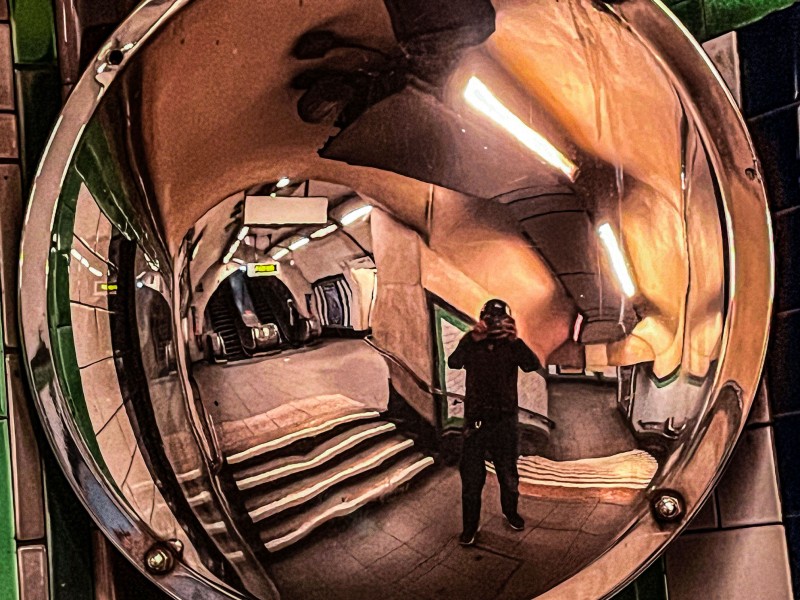 © Mat Amp
How sharing his experiences has helped our writer recognise and work through events and trauma from his past. By Mat Amp
Over the past few years, I’ve talked and written a lot about the stuff that used to torment me. As a result it has become increasingly easy for me to share issues that spent years trapped inside my subconscious, fueling its nightmares with the sharp double-barrelled whiplash of shame and regret.
But the process of writing about the difficult shit I have been through, as well as having an encouraging and unjudgmental forum to share it through, has helped me turn haunting issues into experience. It’s been transformative.
Instead of continuing to be paralysed by the fear and shame that impacted my life in the wake of experiencing homelessness, I have confronted what has happened in my life by talking and writing about it.
Because my parents died when I was young, being homeless was something that I dreaded. I always knew that there was no safety net for me. There was no family home to fall back on and the bank of mum and dad was effectively closed.
And of course, losing them inflicted a lot of trauma on me. A lot of trauma that, until recently, didn’t just remain untreated and unresolved but, to a large extent, unrecognised.
Looking back on things now, a bit of grief counselling would probably have helped, but this was the 1970s – a time when traditional communities had started to dissolve but progressive therapies had yet to develop.
And when I found myself orphaned at the age of 17, I was living in this country, somewhere I didn’t grow up or have a network of family and friends. Without a penny or a place to live, I was fortunate enough to connect to the squatting scene, which proved a massive safety net for me, as it was for so many people back then.
To the average Daily Mail/Sun/Telegraph/Express reader (basically everyone who didn’t either read the Guardian or the Socialist Worker) squatting was tantamount to home invasion by hippies. Drip-fed by the voices of privatisation, many people came to view squatters with a twisted kind of envy. Free housing? How dare they?
To me, squatting was a coalition of creative types, abused kids and all sorts from all backgrounds, which, in a country divided hard along class lines, was what I’d call a successful social experiment.
This is what I loved about the UK at the time. The numerous DIY cultures during the late ‘80s and ‘90s, magnified by the mass downing of E’s, spawned a culture of connection that meant for a while it became cool to be kind.
I started to find an identity in that culture and I loved London because, as a mixed-race kid, I felt like I belonged.
There was so much about the place and that culture I loved but I got lost in getting high. We put on parties where everyone got high, I bought a house with the money I got from other people getting high, while some of those people would come to get high or buy stuff to take away in order to get high somewhere else.
Some of that drug use was straight-up fun but some of it was what we would now call self-medicating.
I would never have started healing from the traumatic experience of losing my parents if it wasn’t for the therapeutic embrace of drugs like LSD, Ketamin and ‘shrooms and of course the DMT. Even the mainstream world is starting to wake up to the efficacy of tripping our tits off as a means of treating depression and trauma.
But the thing about self-medicating and where it goes horribly wrong is addiction. That’s when the drugs you do to expand your mind like LSD, mushrooms, ketamin and DMT meet the narcotics like smack and crack.
Sometimes though, I think smack gets a bad ride. A fellow heroin addict once said to me “we don’t have a drug problem mate, what we have is a money problem.” And there is a lot of truth in that. People who use narcotics but still manage to successfully go about their lives, will often take great pleasure in telling us that they are a functioning addict, you know, like they are really clever. What they actually mean by this is that they have ready access to the poison of their choice. And so it was for me. Whilst I had plenty of money my heroin addiction wasn’t really a problem. In fact, in some way it was helping me to deal with a world that I often found difficult to navigate. I was a functioning addict, but when I lost everything I became a junky.
You know the old adage, what goes up must come down and so it was. When, after 25 years, I finally came down, I fell fast. And it was not in anybody’s description or definition a smooth or easy ride. Dude, it was proper bumpy as fuck.
At times, it has been hard to accept that I lost everything. Regret is a motherfucker, though, and if you can find a way of feeling different about the difficulties in your past and what those difficulties are costing you now, then grab it and hold on.
For me, I hold on to the storytelling. I love thinking about my problematic past openly and writing or talking about the way it makes me feel. I love it when people read what I’ve written and comment on it. The things I generally write about in this magazine and things that we are traditionally encouraged to hide from others because we are repeatedly told that they are not things to be proud of.
But I’m not showing off. I’m sharing them for a host of other reasons and anyway, I don’t think they are things to be ashamed of either.
June – July 2026 : Labels
CONTENTS
BACK ISSUES
- Issue 162 : June – July 2026 : Labels
- Issue 161 : April – May 2026 : Working together
- Issue 160 : February – March 2026 : Progress
- Issue 159 : December 2025 – January 2026 : Resolutions
- Issue 158 : October – November 2025 : Making a difference
- Issue 157 : August – September 2025 : Caring about care
- Issue 156 : June – July 2025 : Resilience
- Issue 155 : April – May 2025 : Second Chances
- Issue 154 : February – March 2025 : Time
- Issue 153 : December 2024 – January 2025 : Solidarity
- Issue 152 : October – November 2024 : Change
- Issue 151 : August – September 2024 : Being Heard
- Issue 150 : June – July 2024 : Reflections
- Issue 149 : April – May 2024 : Compassion
- Issue 148 : February – March 2024 : The little things
- Issue 147 : December 2023 – January 2024 : Next steps
- Issue 146 : October 2023 – November 2023 : Kind acts
- Issue 145 : August 2023 – September 2023 : Mental health
- Issue 144 : June 2023 – July 2023 : Community
- Issue 143 : April 2023 - May 2023 : Hope springs
- Issue 142 : February 2023 - March 2023 : New Beginnings
- Issue 141 : December 2022 - January 2023 : Winter Homeless
- Issue 140 : October - November 2022 : Resolve
- Issue 139 : August - September 2022 : Creativity
- Issue 138 : June - July 2022 : Practical advice
- Issue 137 : April - May 2022 : Connection
- Issue 136 : February - March 2022 : RESPECT
- Issue 135 : Dec 2021 - Jan 2022 : OPPORTUNITY
- Issue 134 : September-October 2021 : Losses and gains
- Issue 133 : July-August 2021 : Know Your Rights
- Issue 132 : May-June 2021 : Access to Healthcare
- Issue 131 : Mar-Apr 2021 : SOLUTIONS
- Issue 130 : Jan-Feb 2021 : CHANGE
- Issue 129 : Nov-Dec 2020 : UNBELIEVABLE
- Issue 128 : Sep-Oct 2020 : COPING
- Issue 127 : Jul-Aug 2020 : HOPE
- Issue 126 : Health & Wellbeing in a Crisis
- Issue 125 : Mar-Apr 2020 : MOVING ON
- Issue 124 : Jan-Feb 2020 : STREET FOOD
- Issue 123 : Nov-Dec 2019 : HOSTELS
- Issue 122 : Sep 2019 : DEATH ON THE STREETS
- Issue 121 : July-Aug 2019 : INVISIBLE YOUTH
- Issue 120 : May-June 2019 : RECOVERY
- Issue 119 : Mar-Apr 2019 : WELLBEING
- Issue 118 : Jan-Feb 2019 : WORKING HOMELESS
- Issue 117 : Nov-Dec 2018 : HER STORY
- Issue 116 : Sept-Oct 2018 : TOILET TALK
- Issue 115 : July-Aug 2018 : HIDDEN HOMELESS
- Issue 114 : May-Jun 2018 : REBUILD YOUR LIFE
- Issue 113 : Mar–Apr 2018 : REMEMBRANCE
- Issue 112 : Jan-Feb 2018
- Issue 111 : Nov-Dec 2017
- Issue 110 : Sept-Oct 2017
- Issue 109 : July-Aug 2017
- Issue 108 : Apr-May 2017
- Issue 107 : Feb-Mar 2017
- Issue 106 : Dec 2016 - Jan 2017
- Issue 105 : Oct-Nov 2016
- Issue 104 : Aug-Sept 2016
- Issue 103 : May-June 2016
- Issue 102 : Mar-Apr 2016
- Issue 101 : Jan-Feb 2016
- Issue 100 : Nov-Dec 2015
- Issue 99 : Sept-Oct 2015
- Issue 98 : July-Aug 2015
- Issue 97 : May-Jun 2015
- Issue 96 : April 2015 [Mini Issue]
- Issue 95 : March 2015
- Issue 94 : February 2015
- Issue 93 : December 2014
- Issue 92 : November 2014
- Issue 91 : October 2014
- Issue 90 : September 2014
- Issue 89 : July 2014
- Issue 88 : June 2014
- Issue 87 : May 2014
- Issue 86 : April 2014
- Issue 85 : March 2014
- Issue 84 : February 2014
- Issue 83 : December 2013
- Issue 82 : November 2013
- Issue 81 : October 2013
- Issue 80 : September 2013
- Issue 79 : June 2013
- Issue 78 : 78
- Issue 77 : 77
- Issue 76 : 76
- Issue 75 : 75
- Issue 74 : 74
- Issue 73 : 73
- Issue 72 : 72
- Issue 71 : 71
- Issue 70 : 70
- Issue 69 : 69
- Issue 68 : 68
- Issue 67 : 67
- Issue 66 : 66
- Issue 65 : 65
- Issue 64 : 64
- Issue 63 : 63
- Issue 62 : 62
- Issue 61 : 61
- Issue 60 : 60
- Issue 59 : 59
- Issue 58 : 58
- Issue 57 : 57
- Issue 56 : 56
- Issue 56 : 56
- Issue 55 : 55
- Issue 54 : 54
- Issue 53 : 53
- Issue 52 : 52
- Issue 51 : 51
- Issue 50 : 50
- Issue 49 : 49
- Issue 48 : 48
- Issue 47 : 47
- Issue 46 : 46
- Issue 45 : 45
- Issue 44 : 44
- Issue 43 : 43
- Issue 42 : 42
- Issue 5 : 05
- Issue 4 : 04
- Issue 2 : 02
- Issue 1 : 01
- Issue 41 : 41
- Issue 40 : 40
- Issue 39 : 39
- Issue 38 : 38
- Issue 37 : 37
- Issue 36 : 36
- Issue 35 : 35
- Issue 34 : 34
- Issue 33 : 33
- Issue 10 : 10
- Issue 9 : 09
- Issue 6 : 06
- Issue 3 : 03
- Issue 32 : 32
- Issue 31 : 31
- Issue 30 : 30
- Issue 29 : 29
- Issue 11 : 11
- Issue 12 : 12
- Issue 13 : 13
- Issue 14 : 14
- Issue 15 : 15
- Issue 16 : 16
- Issue 17 : 17
- Issue 18 : 18
- Issue 19 : 19
- Issue 20 : 20
- Issue 21 : 21
- Issue 22 : 22
- Issue 23 : 23
- Issue 24 : 24
- Issue 25 : 25
- Issue 8 : 08
- Issue 7 : 07
- Issue 26 : 26
- Issue 27 : 27
- Issue 28 : 28
- Issue 1 : 01